Egersund is a cozy town with historic wooden buildings, a great center with many niche shops, tasty restaurants and cafes and a rich cultural life. You can experience the varied and diverse nature on walks in forests, fields and mountains. The beautiful coast is wonderful to experience both by boat and on foot.
The wooden housing development
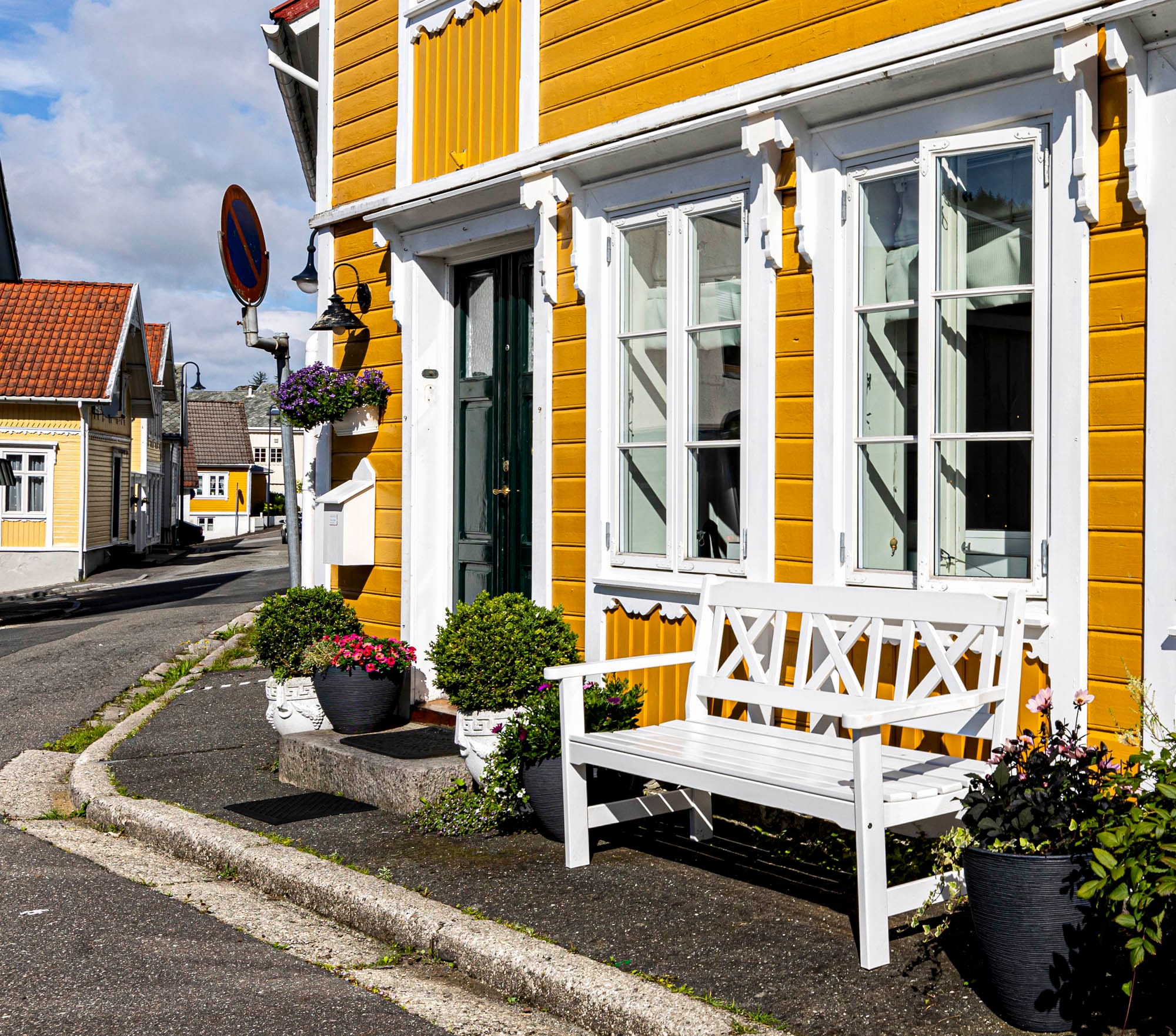
People arriving in Egersund 150 years ago were struck by all the colours that characterised the cityscape. Egersund was therefore not part of the white coastal towns, but a town with its own colours. Historically, houses along the coast were painted in earth tones based on ochre, brown, and iron oxide. White only came later as an accent colour.
The historic colours lasted longer in Egersund than in the towns of Southern Norway, largely thanks to soot from the Fayance factory. Egersund has a powerful climate and contrasting seasons, which have always characterised both people and architecture.
OKKA colours
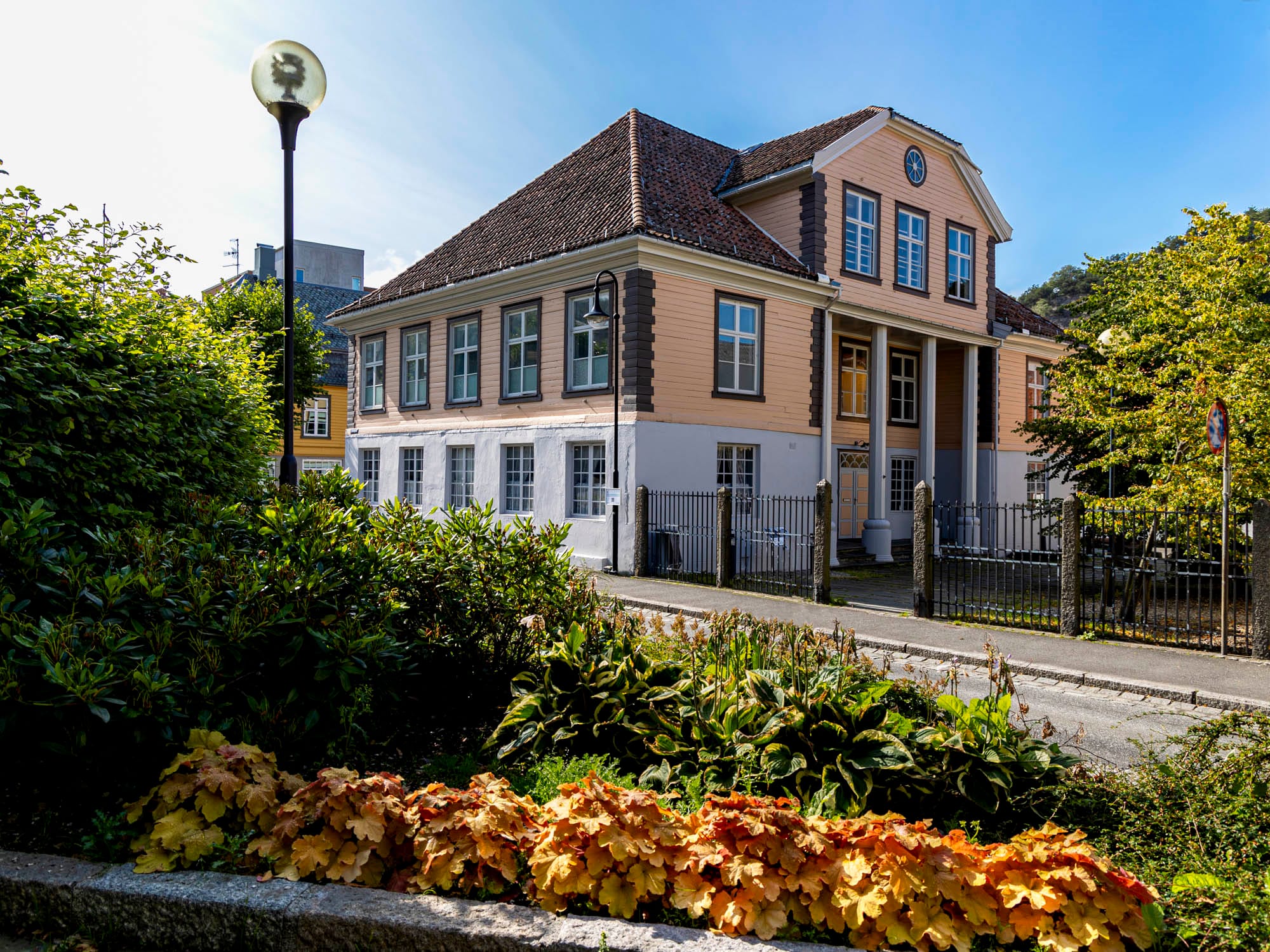
The old, historically rich wooden house settlement in Egersund is one of Norway's best-preserved. The historic colours highlight the settlement's architectural eras and the houses« individual character, the town's identity and distinctiveness. The project »Okka farger" (Our colours) provides advice and guidance on how to choose the right colours.
Okka farger» is intended to inspire homeowners and relevant professionals to restore historic colours, thereby strengthening the city's character and distinctiveness, and to act as a guide for colour choices. Colours create spaces, belonging and atmosphere.
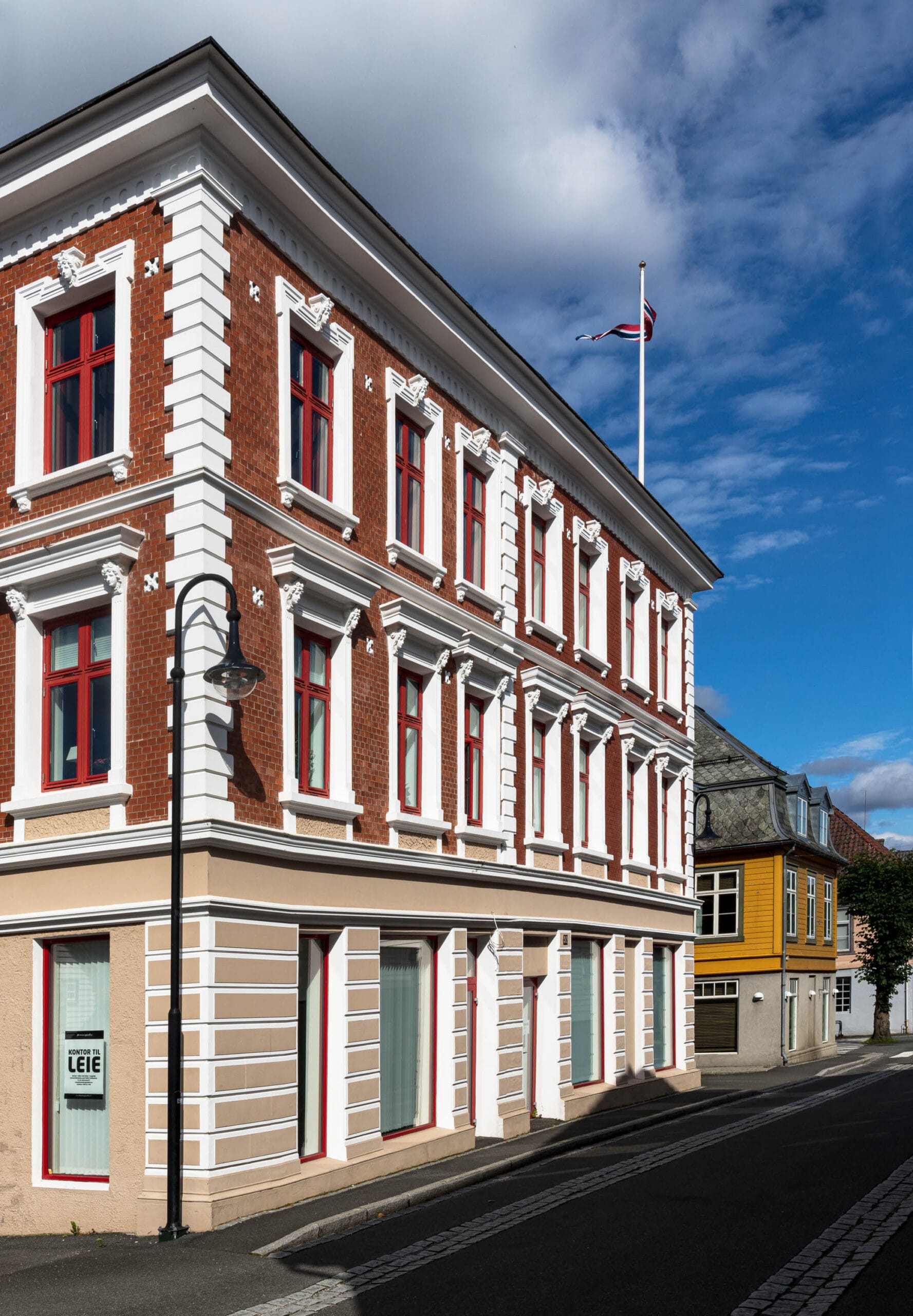
The aim is to promote the city's own identity by preserving its history and actively using it as a catalyst for development. The streetscape is punctuated by houses painted in colours that highlight both style and character. You can almost feel the confidence radiating from it.
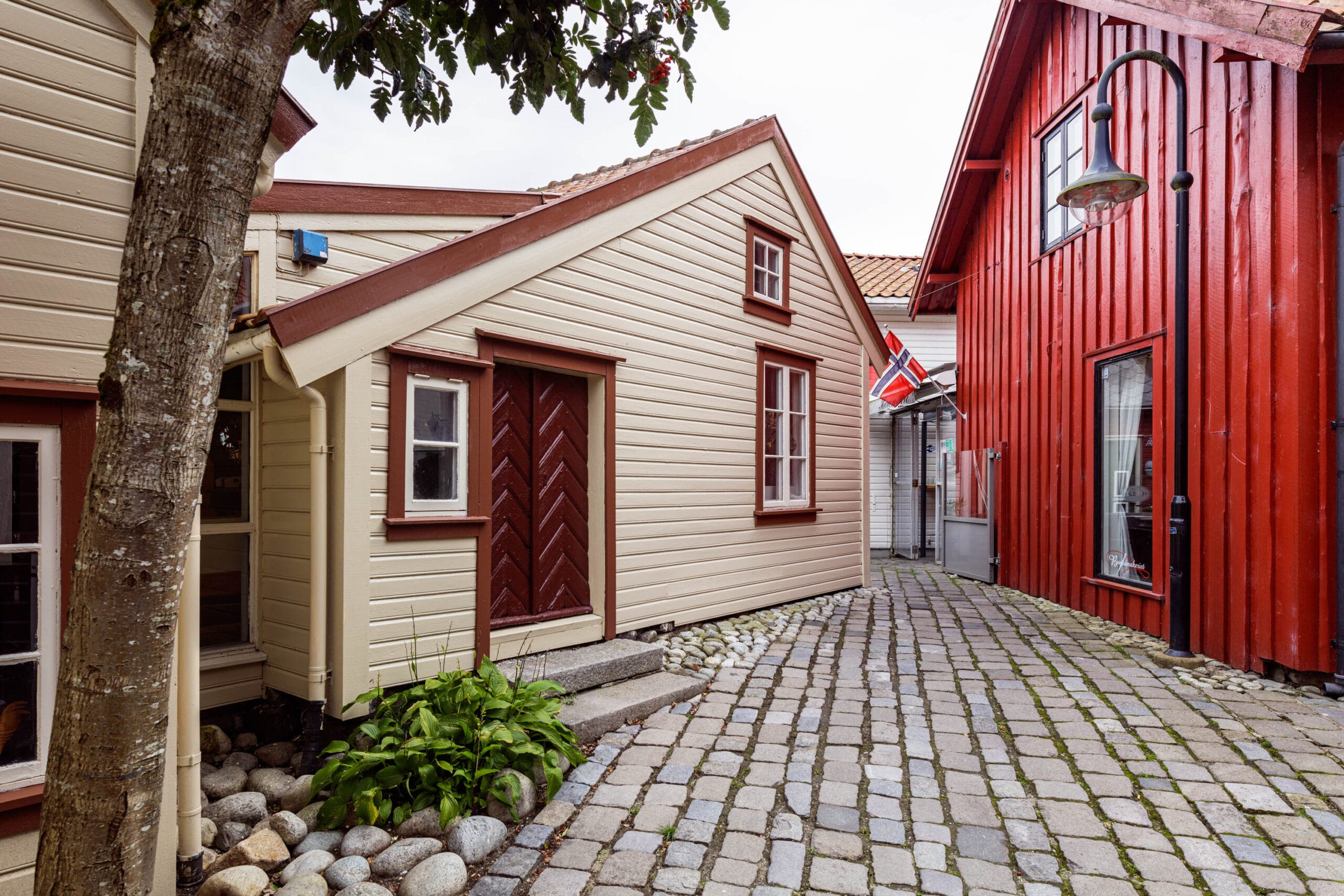
Egersund town has one of the best-preserved wooden buildings in Norway. Large parts of the city area are now regulated as a special antiquarian area. Many fine examples of wooden buildings can be found in Strandgaten, which used to be the town's main street. It was created after a regulation in 1843, when a large fire left the entire building in ashes. During the rebuilding, the outer district got straight streets in an even grid pattern.
Haugen - Egersund's "medieval town" - is also worth a visit. Although the buildings up here have certainly undergone constant changes over time, the tufts are the same as when the area was developed, probably in the period 1750-1800. Haugen has grown up by itself, and has developed based on needs and use, not according to any urban plan. Here were homes, outbuildings, workshops, sheds and barns in a beautiful combination. The area was strongly threatened by demolition at the end of the 70s, but now appears in a rehabilitated form with shops, pubs, etc.
Today, there are small specialty shops side by side in cozy pedestrian streets.
Culture trail
Also try the cultural trail with town history signs – a route with 14 signs in the middle of the old wooden house settlement. The cultural trail is suitable for anyone who wants a pleasant walk while getting to know Egersund town centre a little better.
End your trip by heading up to Varberg and the rock carvings. After your walk around the town, you can visit the Faience Museum. Here you can have a cup of coffee and enjoy the outdoor area in River Park, which is right nearby.