Seglem Gårdutsalg & Bakery
Bakery and farm shop on Eigerøy. In the bakery, everything is baked from scratch...
 Search

– maritime history in Egersund
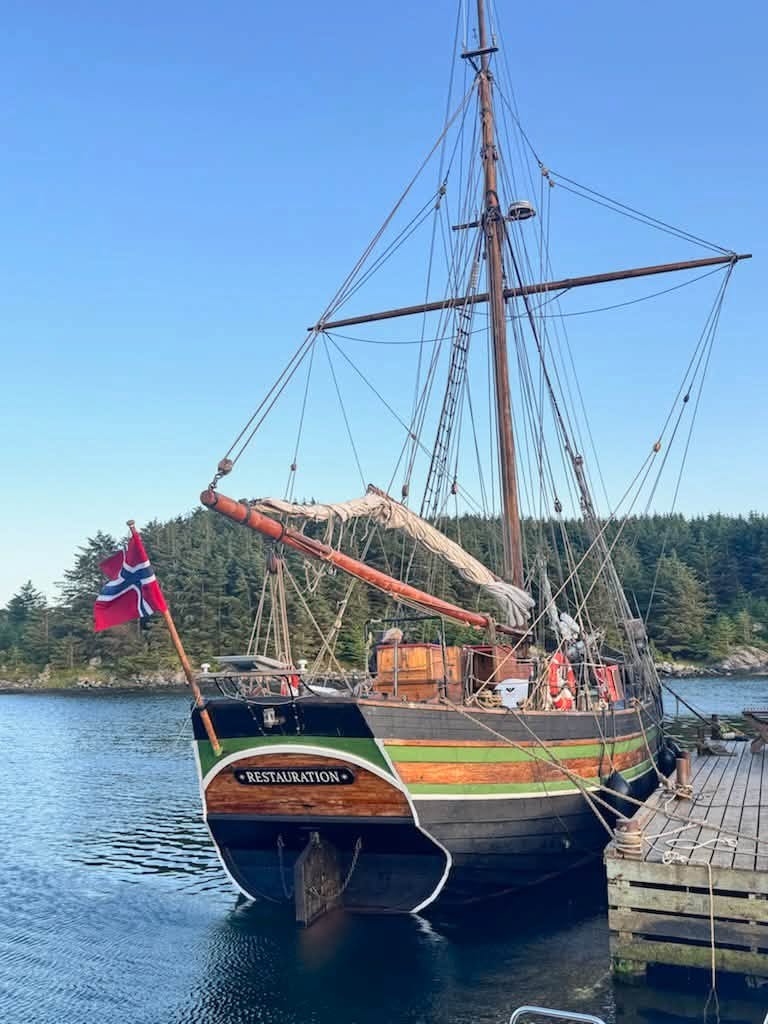
Along the harbor in Egersund we find traces of a time when seafaring was crucial to the city's development. The Bradbenken and the emigrant ship "Restauration" each tell a part of this story - about sailors, shipbuilding, casualties and the dream of a new life on the other side of the Atlantic.
Bradbenken – where the ships got new life
In the 18th century, the waters along the coast between Jæren and Lista were known to be demanding. Storms and difficult sailing conditions led to many ships being shipwrecked. However, Egersund had a sheltered harbor and good conditions for receiving vessels in need of help.
In 1771, Torger Reiersen established the city's first brad bench in the area where Strandgaten 16 and 18 are located today. A new brad bench was built in 1774, at Lindøyhalsen.
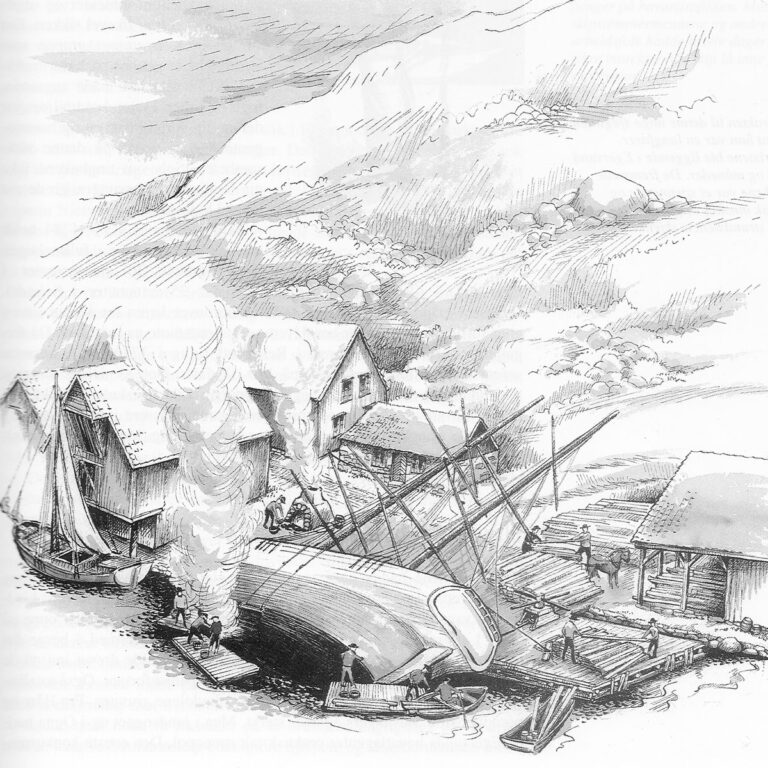
A brad bench was a facility where ships were keeled to repair damage below the waterline. Using heavy-duty hoists and ropes, the vessels were tilted onto their sides, allowing access to the hull and keel. Leaking gangways were sealed with coaming, old frayed ropes were replaced with tar, and the work was finished with pitch.
The business created jobs and income for many. The ship repairers were dependent on an entire local business community, from merchants and innkeepers to casualty agents and craftsmen. In the 19th century, ships were also built at the shipyards.
As shipping became safer and steamships replaced sailing ships, the need for this type of repair decreased. In 1910, the activities at the brad benches in Egersund came to an end.
Restoration - the start of a new era of emigration
A particularly important part of Bradbenken's history is connected to the emigrant ship "Restauration". The vessel was originally built in Hardanger in 1801 under the name "Emmanuel", commissioned by shipowner Theophilus Bowitz in Egersund. After the ship had been damaged, it was transported to Egersund and converted into a sloop on Bradbenken. It was in connection with this conversion that the vessel was named "Restauration".
A few years later, the ship would become a part of Norwegian emigration history. On July 4, 1825, the "Restauration" left Stavanger with 52 Norwegians on board, heading for America. The voyage is considered the start of the Norwegian mass emigration to the United States.
Thus, Bradbenken was not only a place where ships were repaired and serviced. It was also here that the vessel that would have a very special place in the history of Norwegian emigration to America was prepared for a new life. This gives Bradbenken a unique place in Egersund's maritime history.
Two stories – one maritime city
The Bradbenken and the "Restauration" represent different aspects of Egersund's maritime past. At the Bradbenken, work was done to keep ships seaworthy and get them safely back to sea. With the "Restauration", the city is associated with a journey that would have great significance for Norwegian emigration history.
Both stories show how closely life in Egersund was connected to the sea. The harbor was not only a place for trade and transportation, but also a workplace, a meeting place and a starting point for journeys that could change people's lives.
When you take a city walk along the harbor and in Strandgaten, you can therefore see the area with new eyes. Behind the street names and the old harbor areas lie stories of hard work, seamanship and people who either repaired the ships that came in from the sea, or set course for a completely new future.
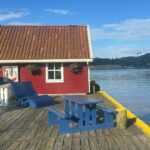
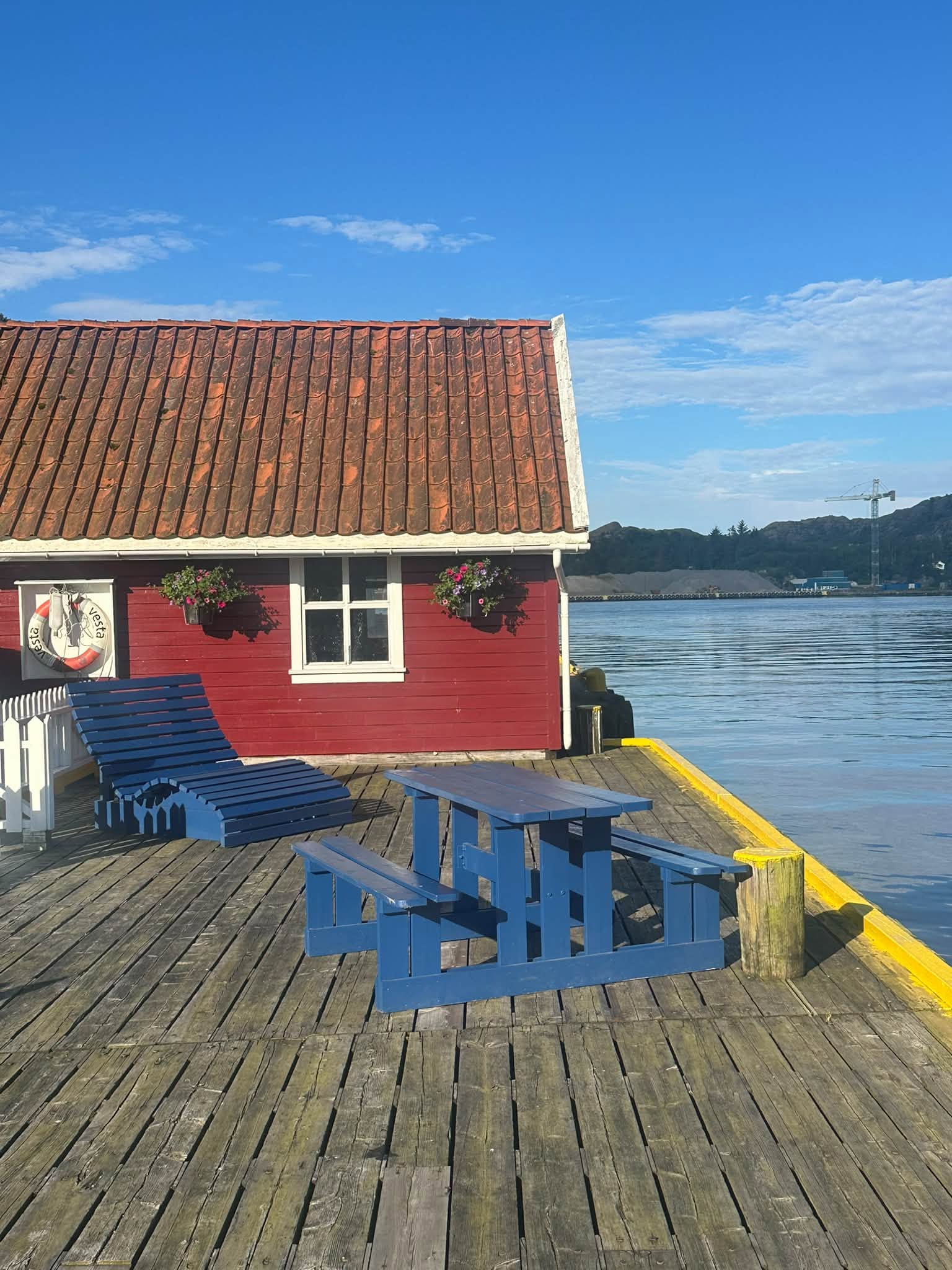
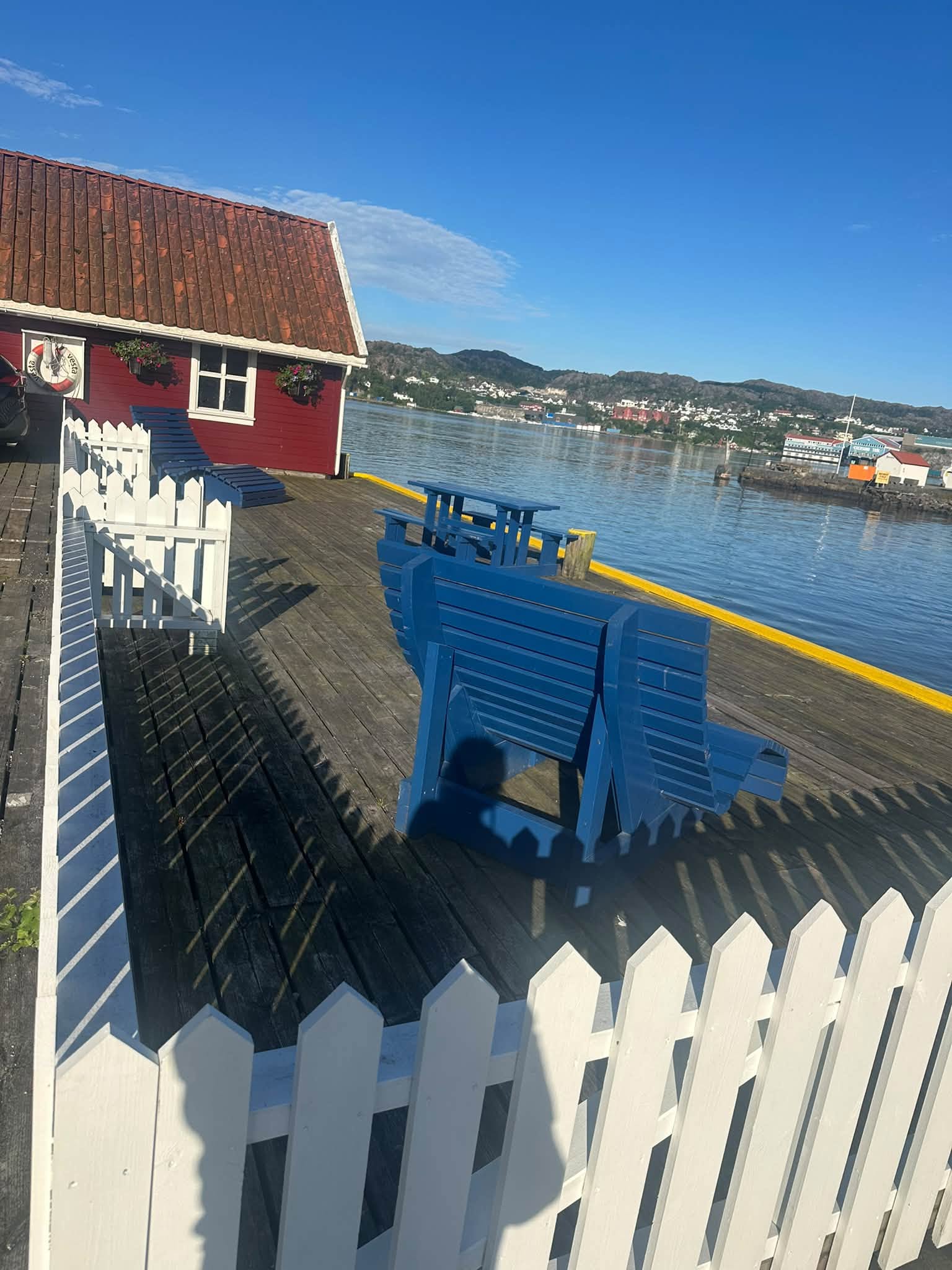
You can find the Bardbenken by the red seaside houses in Strandgaten. Some also call the place “the city beach” today, a place to relax and take in the history of the place.


Category:
Egersund, Full year, Historic places, cultural, listing, Season, Suggestions, Outdoor activities
See more experiences in Magma Geopark